
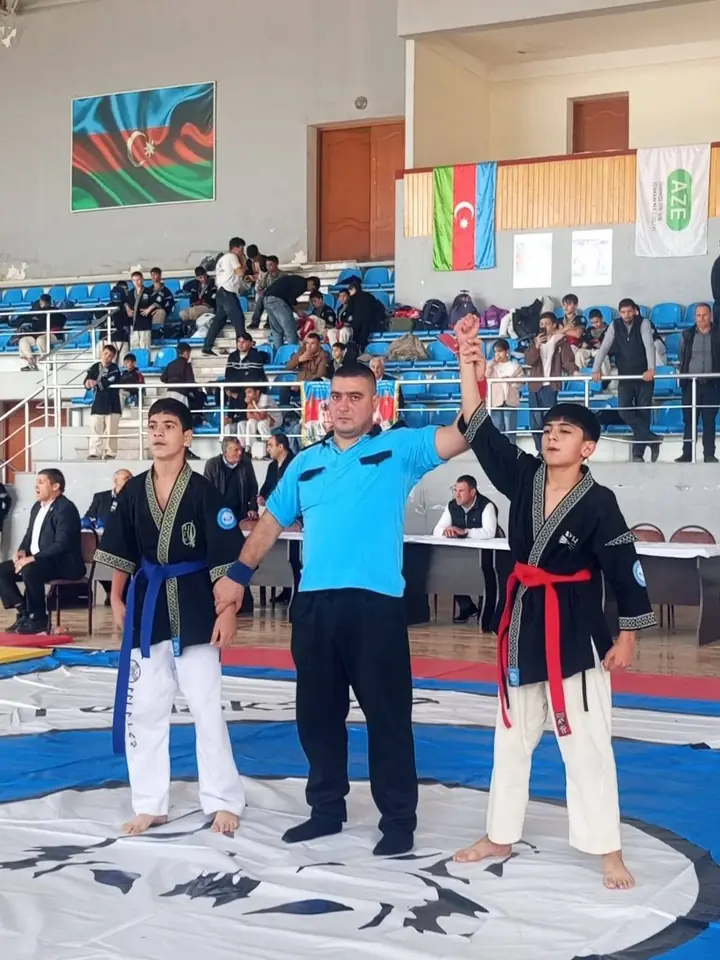
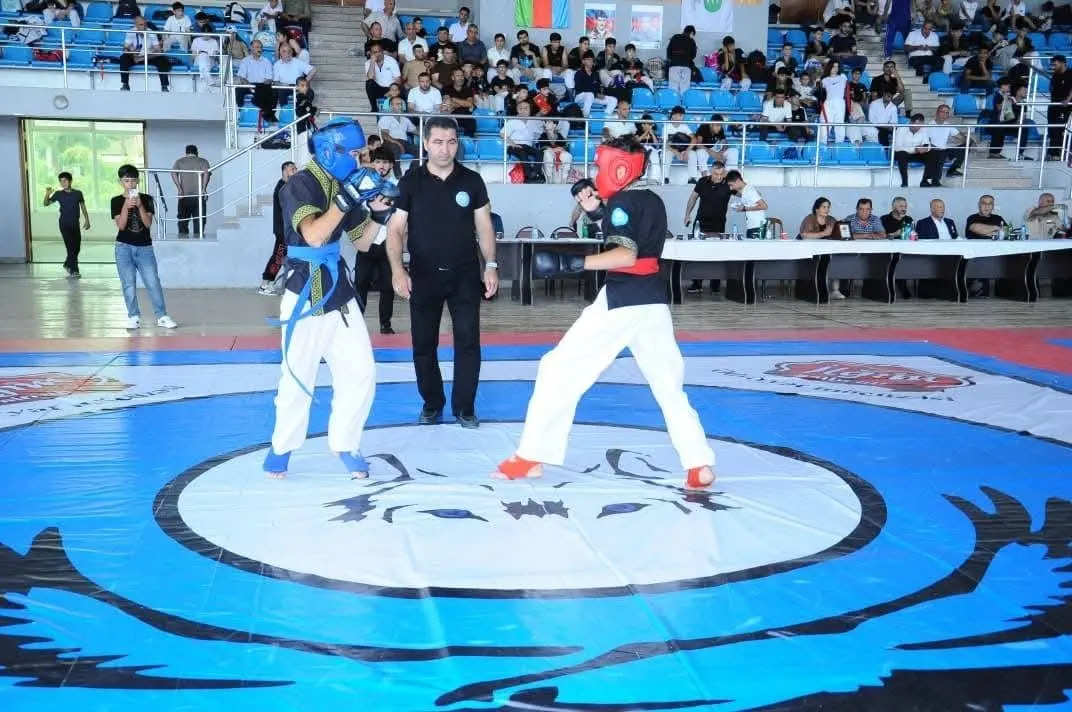
Alpagut
- 39
- coaches
- 5
- referees
Alpagut is a modern martial art and combat sport, the Turan martial art, built on the warrior heritage of the Turkic peoples. It was founded in Baku in 2014 by KUTSAN Vasif Namazov. Today, through the World Alpagut Federation, it is represented in more than 50 countries on four continents.
In Azerbaijan, Alpagut is one of the national sports of the Azerbaijan National Sports Association. Competitions are held by the Azerbaijan Representation of the World Alpagut Federation with the support of AMİNA. The president of the Azerbaijan Alpagut Federation is Tural Abasguliyev, and the chairman of its board is Nizami Aghayev.
Since 2014, 17 international competitions have been held, five of them world championships: Baku (2018, 2019) and Bursa (2022, 2023, 2025). The 6th World Championship will take place in Ankara on 11–14 December 2026.
Training branches, registration and competition results: alpagut.az.
Origins
The word is much older than the sport. In his Dīwān Lughāt al-Turk (1072–1074), Mahmud al-Kashgari explains the phrase alpağut er as a brave warrior who attacks the enemy alone and cannot be captured. The word appears even earlier, as alpagu, on the Kül Tegin monument of 732.
Alpagut is not an ancient system that has come down unchanged; it is a modern reconstruction. Since 2008 the fighting methods, military customs and codes of honour of the Turkic world have been studied from historical sources and brought together into a single system with its own techniques, terminology, grades and competition rules.
Alpagut reads its own name as a union of two words: alp, a brave warrior, and kut, the strength granted to a person. This reading is the art's own interpretation.
Rules
Men and women compete under unified international rules, by age group and weight category. There are five competition disciplines:
- AYÇA: limited contact, with crescent-style punches and kicks, foot sweeps and throws.
- BATUR: mixed combat, with full strikes, clinch, throws, chokes and joint locks.
- CAYMAZ: full contact standing, with powerful punches and kicks.
- QURŞAK: belt wrestling and ground fighting; strikes are forbidden.
- KAÇUT: a tactical self-defence system.
Bouts take place in a round arena whose size changes during the fight: BÖRÜ is the circle for close, decisive fighting, BERKUT the circle for wide manoeuvring.
The referee uses four cards. SARGUT is 1 point, a yellow card. ACAR is 3 points, a blue card; three SARGUTs count as one ACAR. UTKU is not a point but a victory card, red: it is given to the winner when the score reaches 6 points, by knockout, by submission, or on points at the end of time. KINAK is a penalty, a black card, with no point value.
Full text: Official Competition Rules.
Attire
Alpagut athletes wear the ÇAPAN: a black jacket and cream-coloured trousers. The corners are ÇORO (blue) and YORO (red). Historically the chapan was the traditional outer garment of the ancient Turkic peoples, including their warriors.
Terms
- SINAYÇI: the referee who runs the match; the word means "the one who tests". There are five grades: ELKİN, TOLU, BİLGE, ATAMAN, ULUCA.
- SAN: ten grades of mastery, built on the titles YARĞAN, TEGİN, ŞAD and YABGU, which with the qualifiers KÜR and TUN form ten steps.
- BÖLÜK: a team event with three fighters and one reserve.
- BÖRÜ, BERKUT: the two circles of the arena.
- SARGUT, ACAR, UTKU, KINAK: the four scoring cards.
- ÇAPAN: the competition attire. ÇORO, YORO: the blue and red corners.
Photos
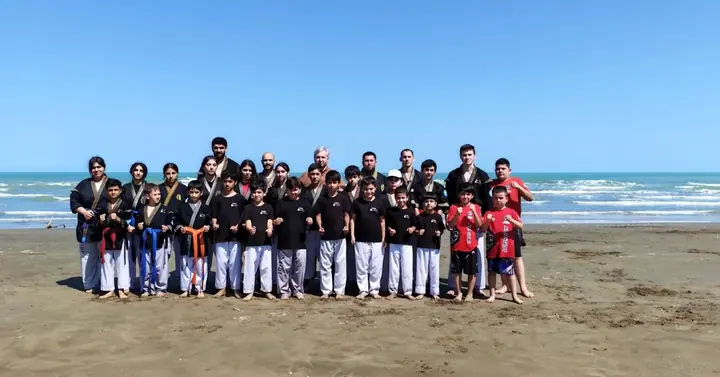
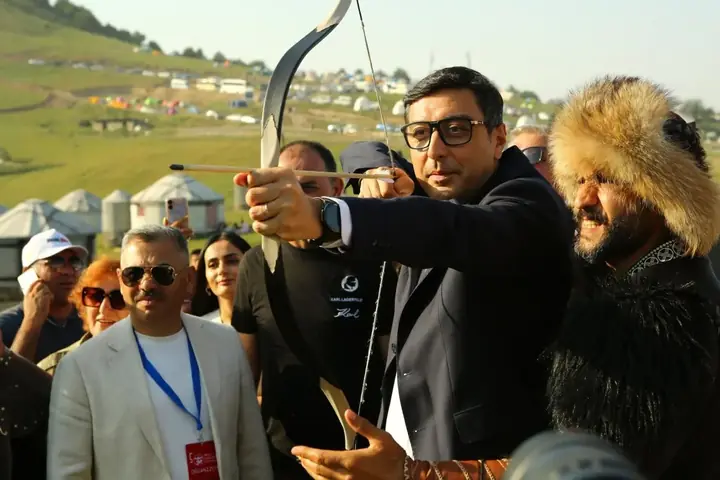

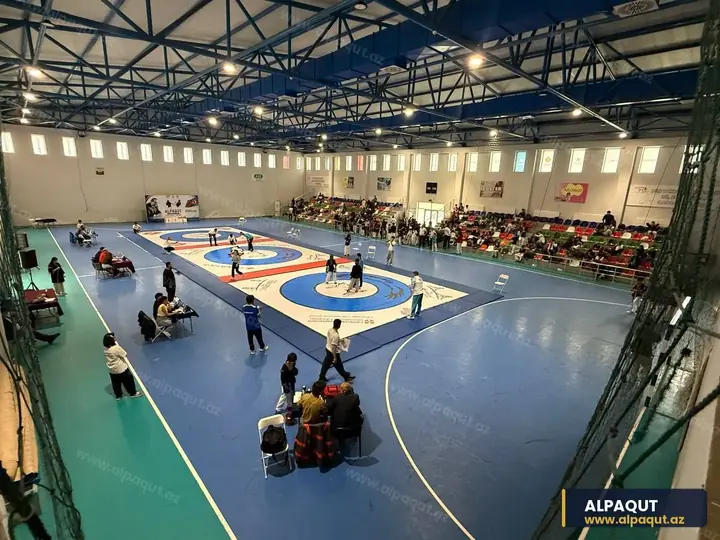

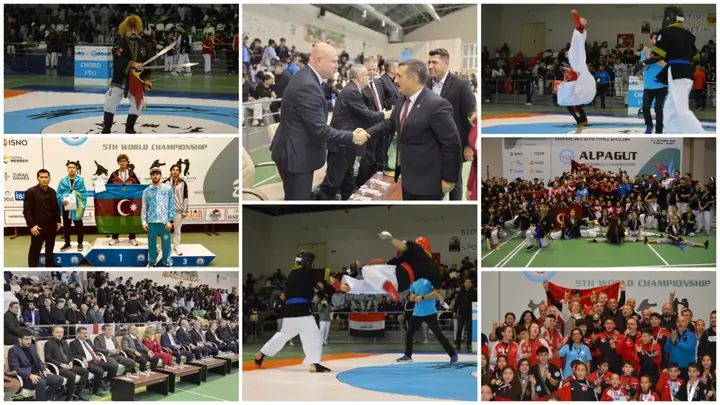
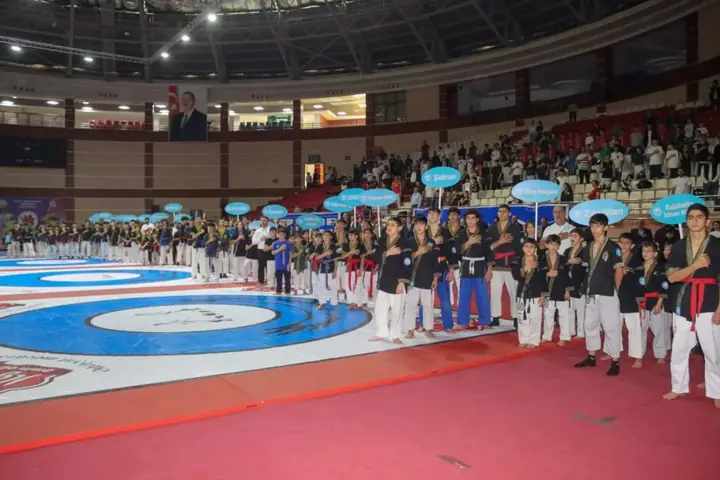
Video
Coaches and referees

Abbasli Abbas Yavar oglu
Coach, II SAN, Sabunchu Alpagut Branch
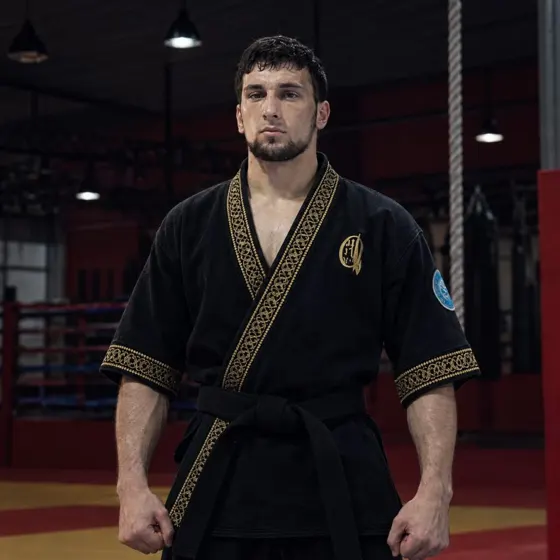
Abbasov Abbasali Rafik oglu
Coach, I SAN, Sabunchu Alpagut Branch
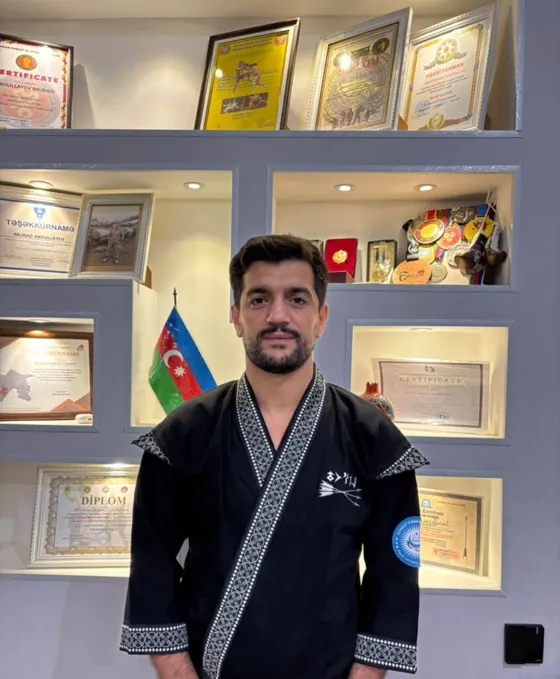
Abdullayev Murad Arshad oglu
Coach, ÜSTÜNGÜ, Yasamal Alpagut Branch

Aghayev Nizami
Chair and head coach, V SAN, Zardab Alpagut Branch

Alishov Ramin Muslum oglu
Coach, I SAN, Sabunchu Alpagut Branch

Javanshirli Ibrahim
Coach, ÜSTÜNGÜ, Barda Alpagut Branch

Jafarov Aslan Azar oglu
Coach, I SAN, Zayam Jirdakhan Alpagut Section

Jafarov Jafar Fazil oglu
Chair and head coach, V SAN, Harun Fight Club
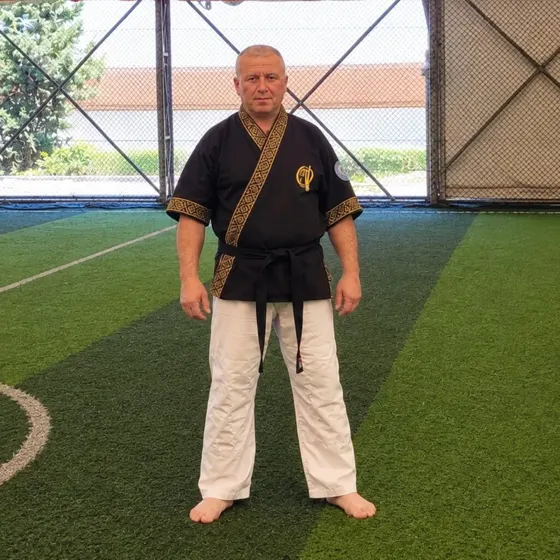
Aliyev Mehman Alihuseyin oglu
Chair and head coach, III SAN, Shaki Alpagut Branch

Aliyev Vugar Vagif oglu
Chair and head coach, III SAN, Aghjabadi Alpagut Branch
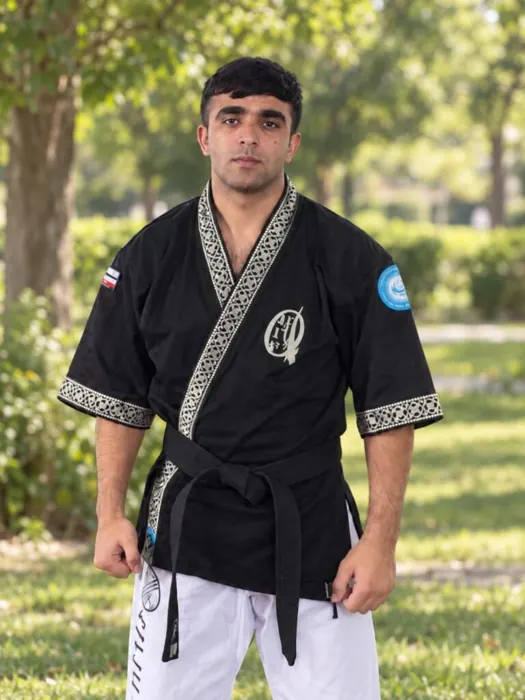
Asgarli Makan Asgar oglu
Coach, I SAN, Sabunchu Alpagut Branch

Hajiyev Ali Abbas oglu
Chair and head coach, III SAN, Ordubad Alpagut Branch
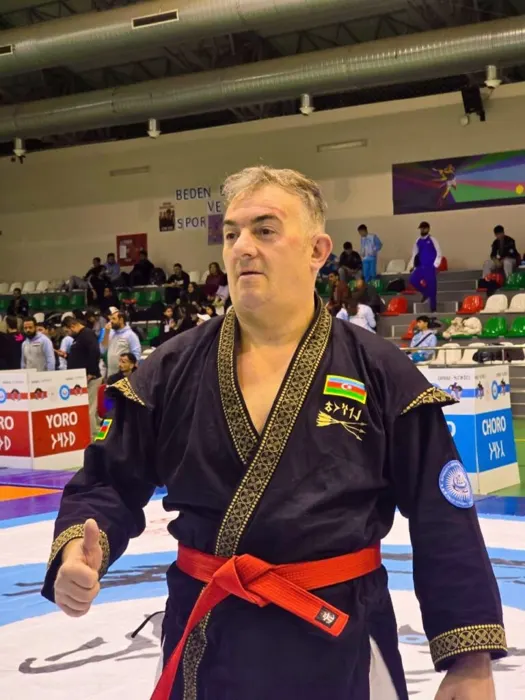
Hasanov Rovshan Ali oglu
Coach, I SAN, Shaki Alpagut Branch
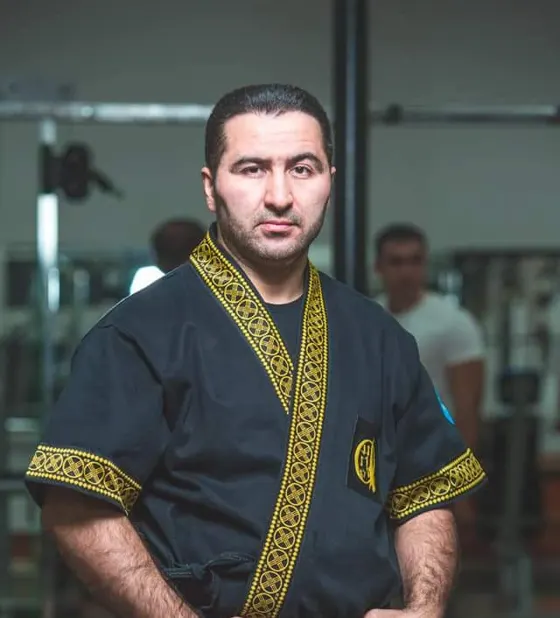
Huseynov Gabil Huseyn oglu
Chair and head coach, VIII SAN, Shamkir Alpagut Branch
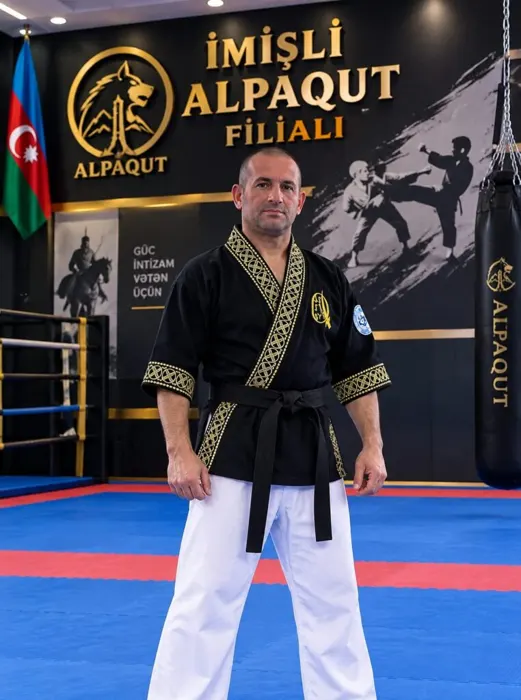
Huseynov Rahman Elman oglu
Chair and head coach, I SAN, Imishli Alpagut Branch

Huseynov Shamsi Amir oglu
Chair and head coach, ÜSTÜNGÜ, Binagadi Alpagut Branch
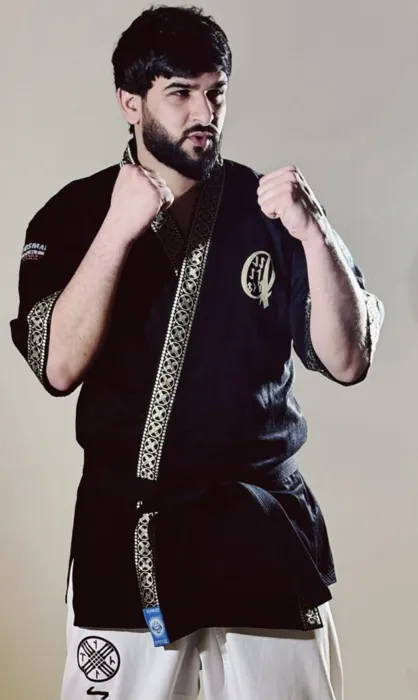
Ismayilov Abdulla Rafig oglu
Head coach, I SAN, Wolf Fight Club (Zabrat)
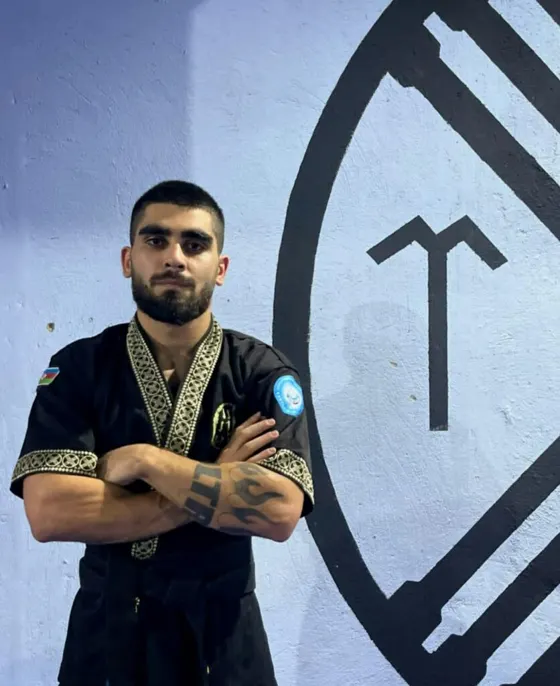
Karimov Israil Ismayil oglu
Chair and head coach, ÜSTÜNGÜ, Imarat Fight Club

Gasimov Rafig Gasim oglu
Chair and head coach, VII SAN, Lachin Alpagut Branch

Guliyev Kanan Azay oglu
Head coach, V SAN, Aghdam Alpagut Branch

Mammadli Yusif Sardar oglu
Chair and head coach, I SAN, Barda Alpagut Branch

Mammadov Elshan Jamshid oglu
Chair and head coach, VII SAN, Surakhani Alpagut Branch
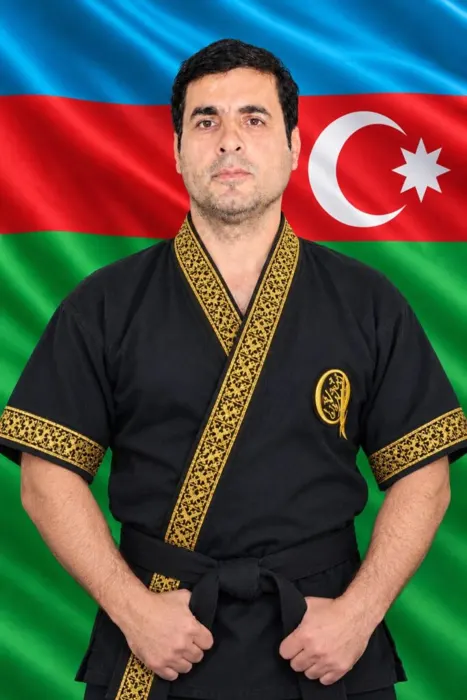
Mammadov Vugar Alakbar oglu
Chair and head coach, ÜSTÜNGÜ, Hajigabul Alpagut Branch
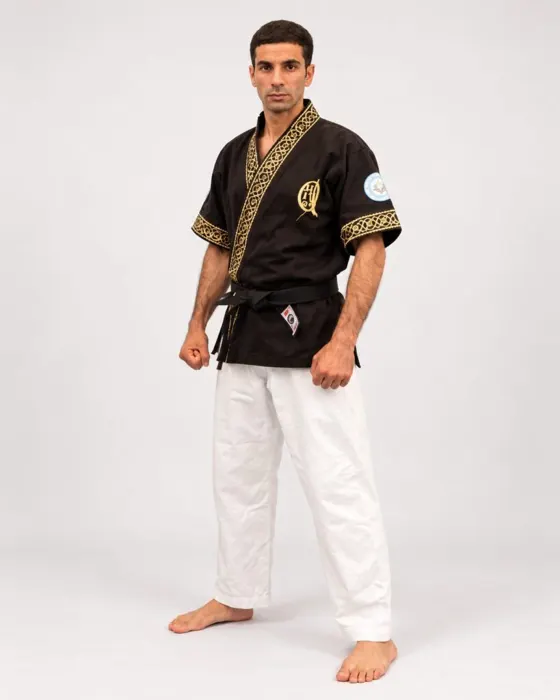
Mirzayev Elvin Baylar oglu
Chair and head coach, I SAN, Garadagh Alpagut Branch
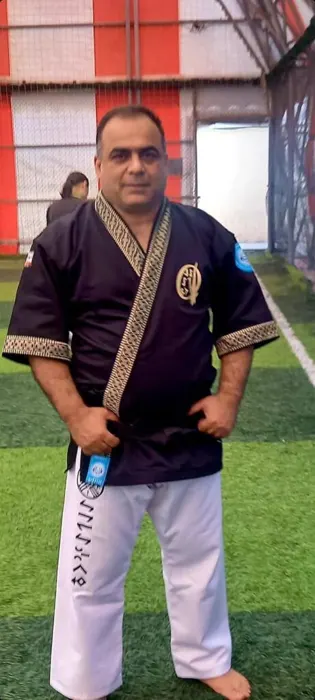
Mustafayev Mirabdulali Sahib oglu
Coach, I SAN, Yasamal Alpagut Branch
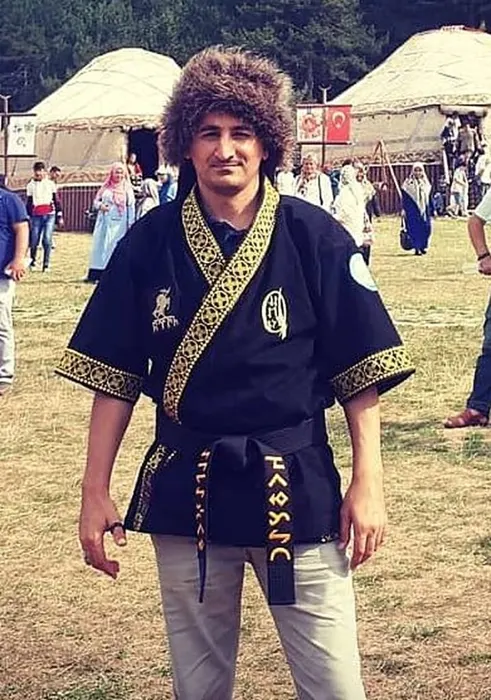
Namazov Vasif Imran oglu
Chair and head coach, KUTSAN, Khojavend Alpagut Branch
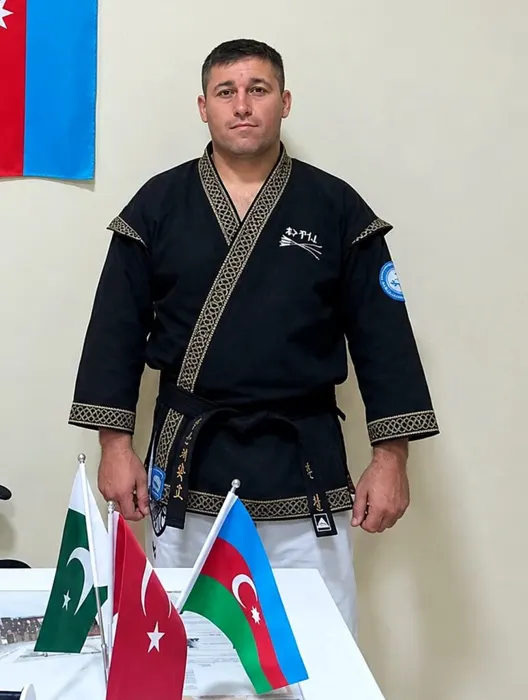
Nasibov Sahib
Chair, I SAN, Beylagan Alpagut Branch
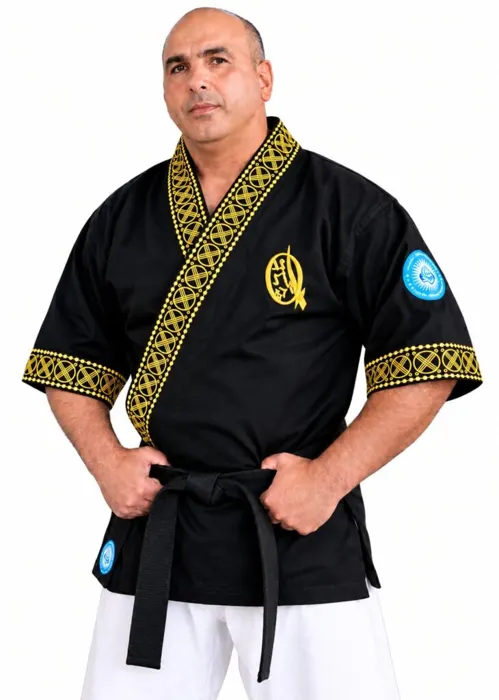
Nuriyev Asif Nazir oglu
Chair and head coach, ÜSTÜNGÜ, Jalilabad Alpagut Branch

Osman-zada Aynura
Coach, I SAN, Emil Shamilov Fight Club
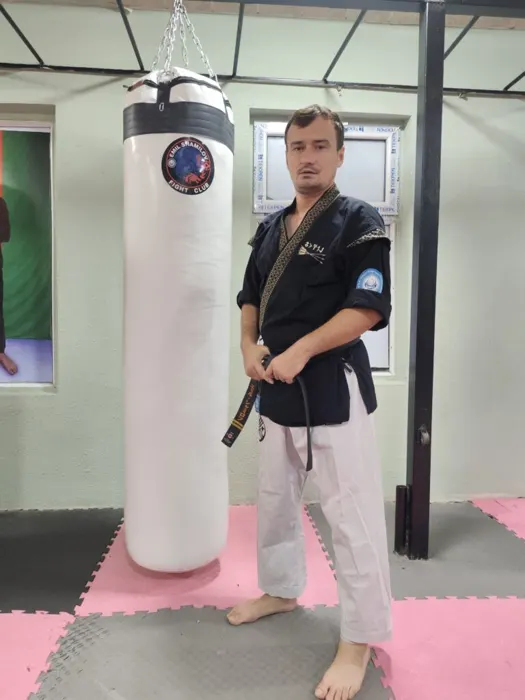
Osmanov Rauf Nizami oglu
Head coach, I SAN, Emil Shamilov Fight Club

Pashayev Parviz Shakir oglu
Chair and head coach, I SAN, Gubadli Alpagut Branch
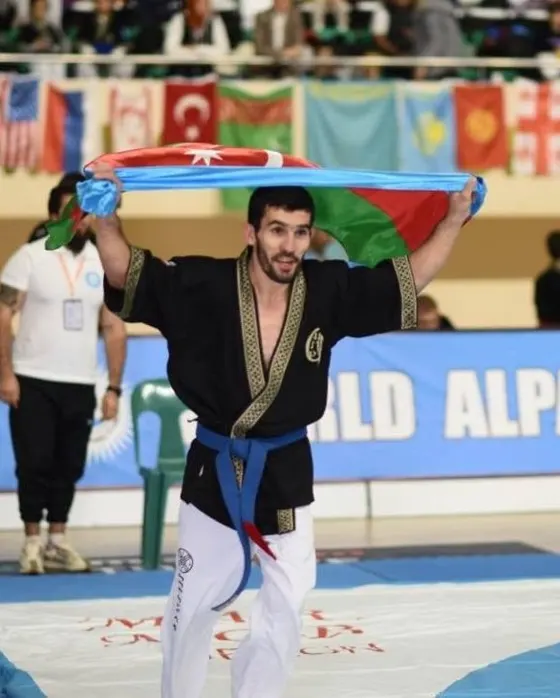
Puri Elsavar Elshan oglu
Head coach, IV SAN, Alpagut club of the Baku Istanbul Lyceum
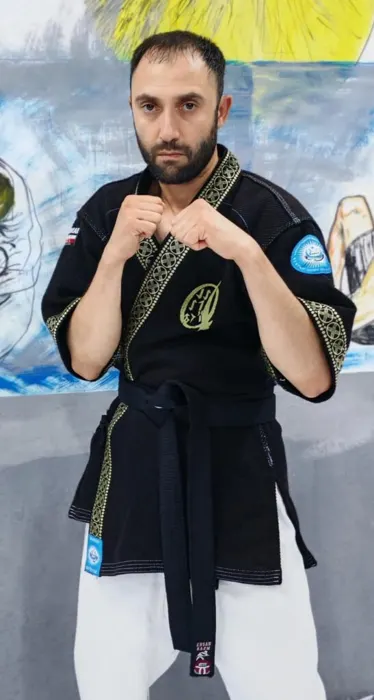
Rasulov Anar Rauf oglu
Coach, I SAN, Safavi Fight Club
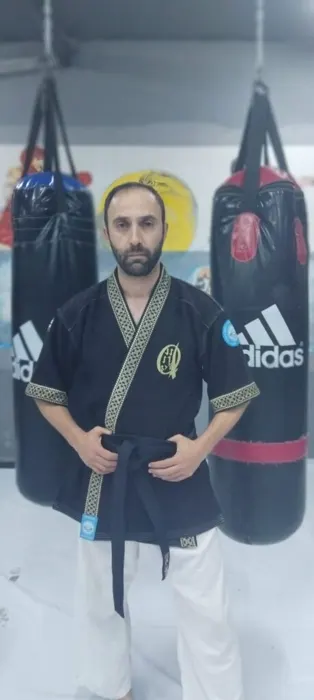
Rasulov Tural Rauf oglu
Head coach, I SAN, Safavi Fight Club
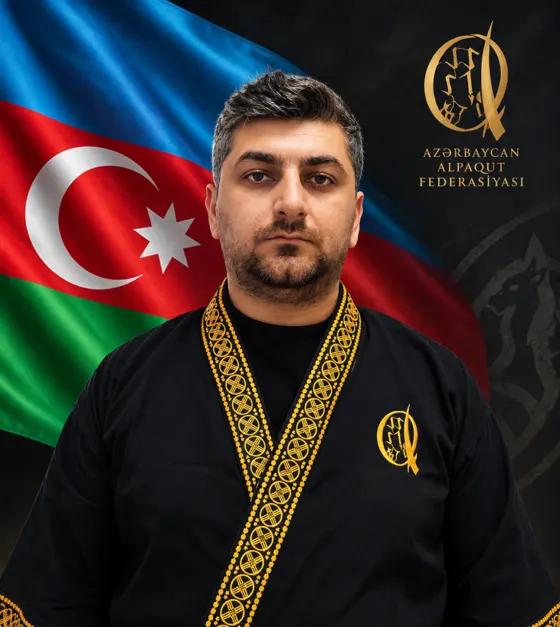
Salmanzada Tural Ilgar oglu
Chair and head coach, I SAN, Alpbars Combat Sports Club
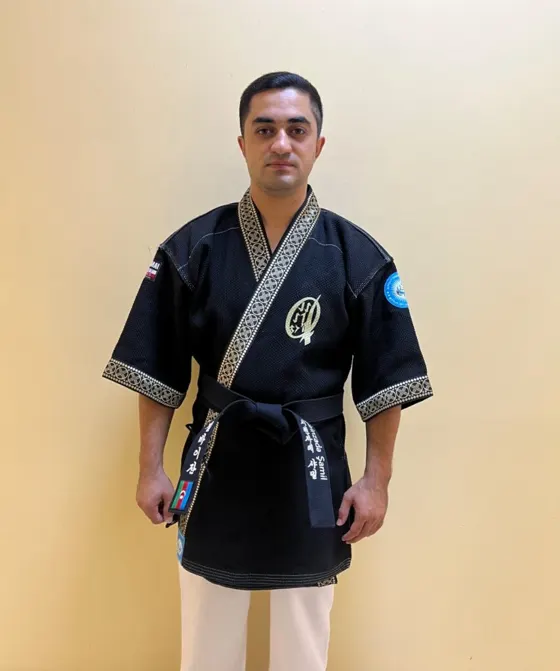
Shirinzada Shamil Etibar oglu
Head coach, ÜSTÜNGÜ, Heydar Aliyev Military Institute

Valiyev Orkhan Nizami oglu
Chair, I SAN, Gazakh Alpagut Branch, Oghuz Fight Club
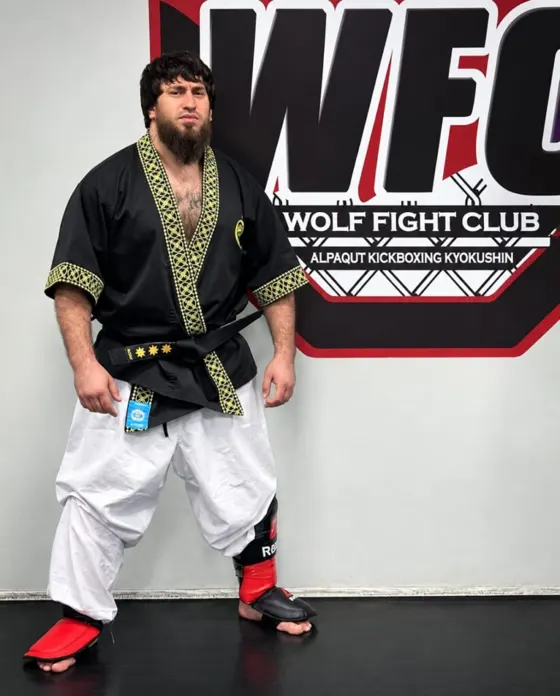
Valiyev Shahlar
Chair and head coach, IV SAN, Sabunchu Alpagut Branch

Yahyayev Tural Nayib oglu
Head coach, I SAN, Yasamal Alpagut Branch
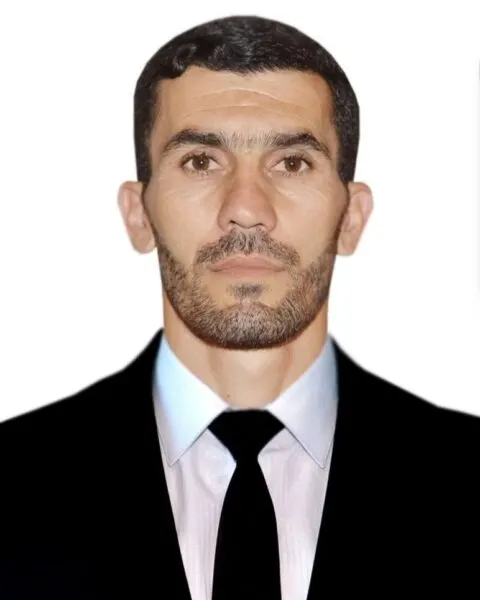
Elsavar Puri
ATAMAN International Referee
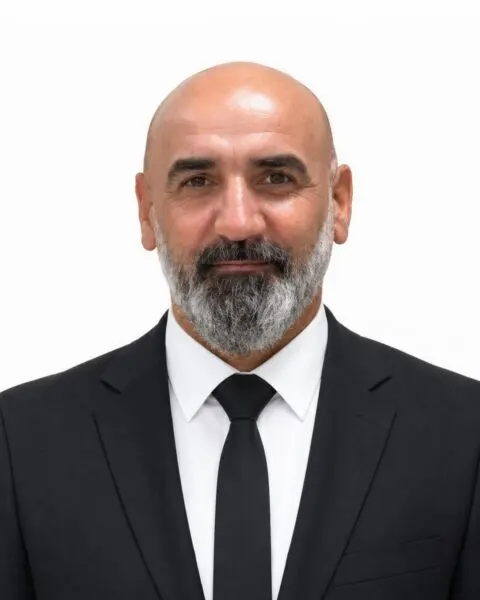
Arshad Hasanov
BİLGE Senior Referee

Gabil Huseynov
BİLGE Senior Referee

Nizami Aghayev
BİLGE Senior Referee

Rafig Gasimov
BİLGE Senior Referee